

INSIGHTS IN YOUR INBOX | FEBRUARY 2026
New Release, New Models, New Possibilities
From the Oasis LMF 2.5.0 release delivering a streamlined platform with simplified architecture, to new cyber and flood models joining the growing catalogue of Oasis-based solutions, February marks an important chapter in our evolution. Dive in for platform updates, model launches, and upcoming events.
JBA's US Inland Flood Model: Innovation Built on Open Framework Foundations
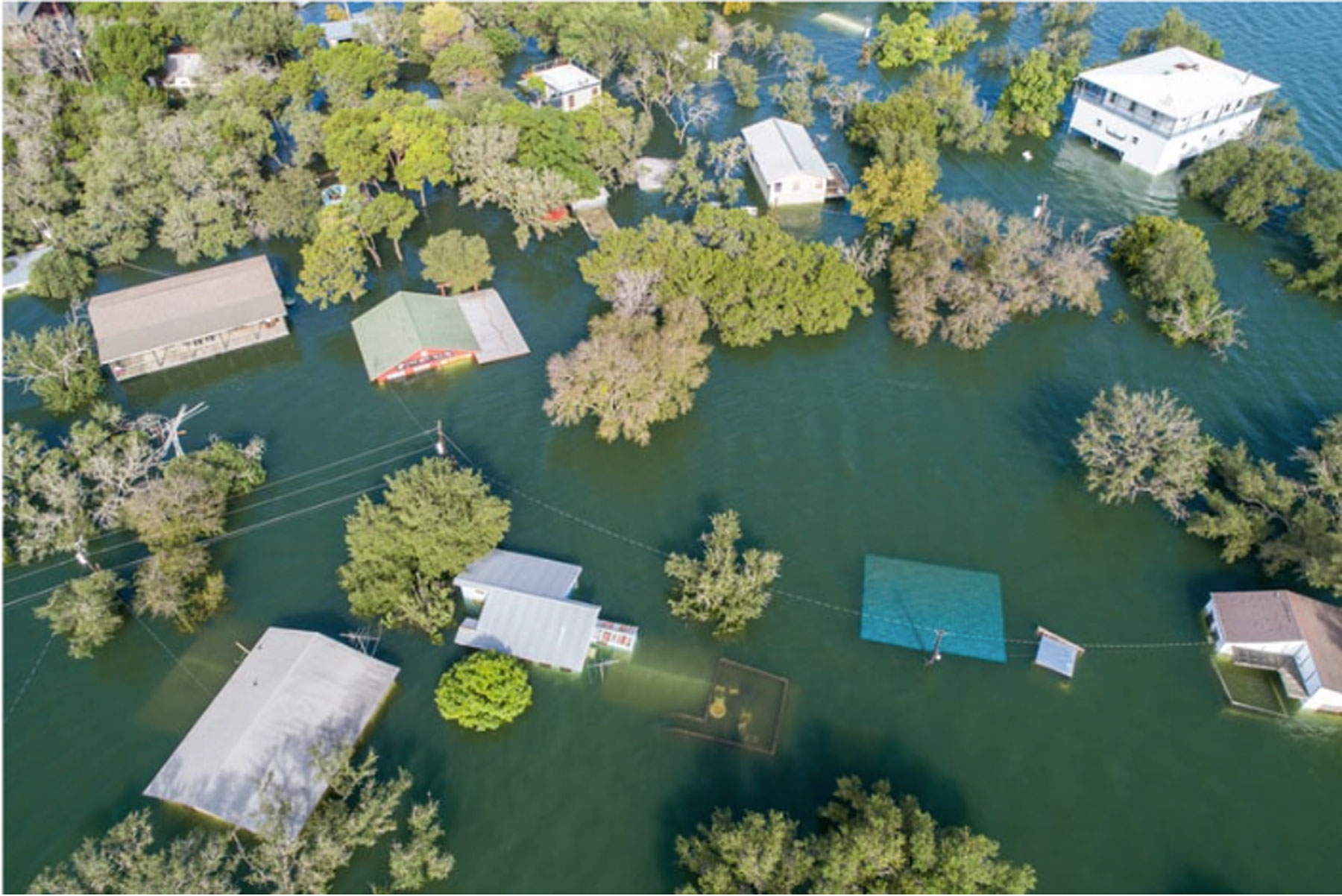
JBA Risk Management has launched its high-resolution US Inland Flood Model 2025, built on the Oasis Loss Modelling Framework. The model's "fully customisable" approach allows clients to tailor components to their own risk views and conduct sensitivity analyses, critical capabilities as climate patterns evolve. By leveraging Oasis' mature, open-source infrastructure, JBA's development team focused on incorporating high-quality datasets rather than building foundational architecture from scratch. The result is a model that combines cutting-edge flood science with operational efficiency.
The Oasis framework delivers practical advantages beyond development speed. Multi-peril integration with partners like ARA becomes seamless through standardised data formats, eliminating the vendor-specific barriers that traditionally complicate integrated risk analysis. Distribution is equally streamlined, the model deploys on platforms like Verisks Model Exchange with minimal integration effort and is accessible via ELEMENTS by Impact Forecasting, Model Exchange, or directly in Oasis software. As JBA notes, Oasis "allows model developers to focus on scientific innovation and validation while providing a client friendly, scalable, transparent framework that makes models easier to deploy, integrate, and adopt."
Oasis LMF 2.5.0 Release - Streamlined Platform and Simplified Architecture
We're pleased to announce that Oasis LMF version 2.5.0 is scheduled for release in early February 2026, representing a significant milestone in the platform's evolution. This release marks the completion of our multi-year architectural modernisation effort, transitioning to a
Python-only codebase by removing all ktools (C++) dependencies. This simplification reduces build complexity, plays to the development team's strengths, and makes the platform more accessible to the broader catastrophe modeling community. By eliminating mixed-language implementation, we've reduced maintenance overhead and streamlined both development and deployment workflows. Release 2.5.0 also completes the transition to ORD-only support dropping support for legacy Oasis output formats. This architectural decision reduces code complexity and actively promotes ORD adoption across the market. Users still working with legacy formats will continue to be supported through our Long-Term Support (LTS) versions:
2.3.x until January 2028 and 2.4.x until January 2030. The release delivers new functionality to combine results in ORD format from different analyses, enabling more sophisticated portfolio analysis workflows, and implements full support for OED version 5, aligning with the latest open data standards. Starting in 2026, we're adjusting our release cadence to once every two years, allowing for more substantial feature development between releases while maintaining stability for production users. We will continue to support two LTS versions back during this period, ensuring users have ample time to plan and execute migrations. Release 2.5.0 represents a cleaner, faster, and more maintainable platform positioned to support the evolving needs of the catastrophe modeling industry for years to com
Cestida Platform: 2025 Highlights and a New Model on the Platform
As 2025 came to a close, Cestida published the first edition of the Cestida quarterly newsletter — a moment to reflect on how the platform has evolved over the past year and how they’re supporting a growing Oasis model ecosystem.
The newsletter explores:
-
Key market trends around multi-model access and platform choice
-
Major Cestida Platform updates, including model distribution, performance improvements, and new features
-
The product vision for reducing friction across the entire catastrophe modelling lifecycle
-
Key focus items in 2026
In addition, the Extortion Loss Model from Concinnity Risks is now accessible via the Cestida Platform and all other platforms and deployment methods that support Oasis-based models.
Cestida worked closely with Concinnity as a technical partner during the design and testing of the model, helping ensure it can be deployed easily and conveniently for end users. We’ve added support for importing cyber exposures in the OED format, and extended our financial module to handle cyber policy features such as coverage sub-limits alongside the usual terms.
By reducing technical friction and providing greater certainty around accessing the model, our platform allows organisations to focus on what matters most: evaluating extortion risk exposure and gaining insight into key portfolio drivers such as geography and revenue band.
If you’re interested in evaluating the Extortion Loss Model please contact jcarter@cestida.com or info@oasislmf.org for more information .
Dates for your Diary

Oasis Insight Conference London
28–29 April 2026 | London, UK
Delegate discount: 3+,5% & 5+,10%
Join the cat- modelling community for two days of knowledge exchange and collaboration. The conference connects model developers, Re (insurers) and risk professionals from across the globe to share their insights and research to shape the future of catastrophe risk assessment
Learn More

GEM Conference 2026: From Faults to Future Scenarios
23–25 June 2026 | Zagreb, Croatia
Connect with the global earthquake risk community and explore the latest in seismic hazard and risk assessment.
Reports and Articles of Interest

Impact Forecasting pinpoints transparency as next step for cat modelling
IF has strengthened its support behind open source cat -modelling platform Oasis LMF.

The RenaissanceRe story: the Engineering-first reinsurer that helped invent the model ILS playbook.
RenaissanceRe built its edge on superior risk modelling and flexible capital, using discipline, not size, to scale through cycles.
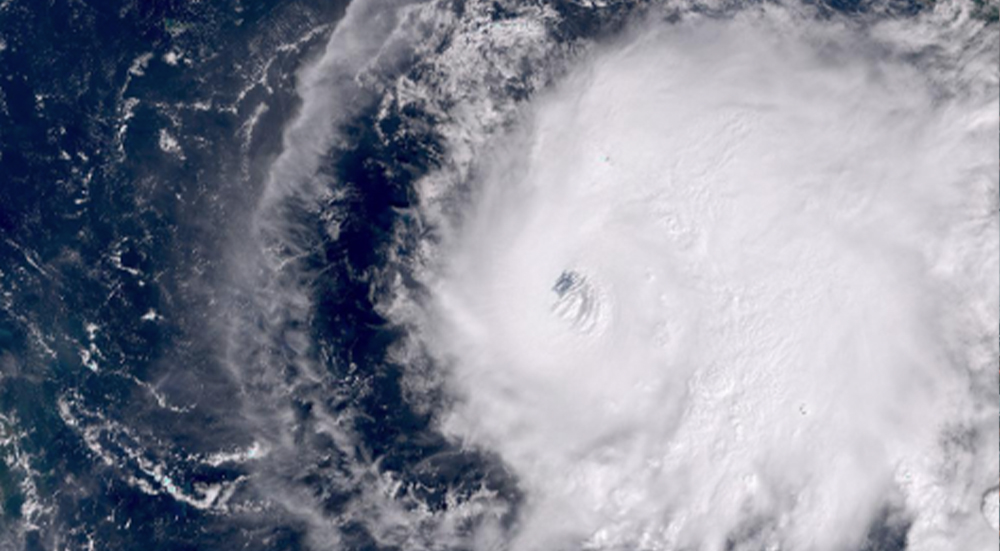
2025 marked 6th year insured nat cat losses exceed USD 100 billion
Findings from Swiss Re Institute
If you're already part of our community, thank you. You make this work possible.
New to Oasis? Welcome. With 100+ models and a thriving network, there's never been a better moment to get involved. The future of catastrophe modelling is being built right here, by this community. We'd love you to be part of it. Talk to us about how to join the community, contribute to newsletters and events, and about becoming a member. Reach out to info@oasislmf.org or harriet.smith@oasislmf.org
Until next time,
The Oasis Team